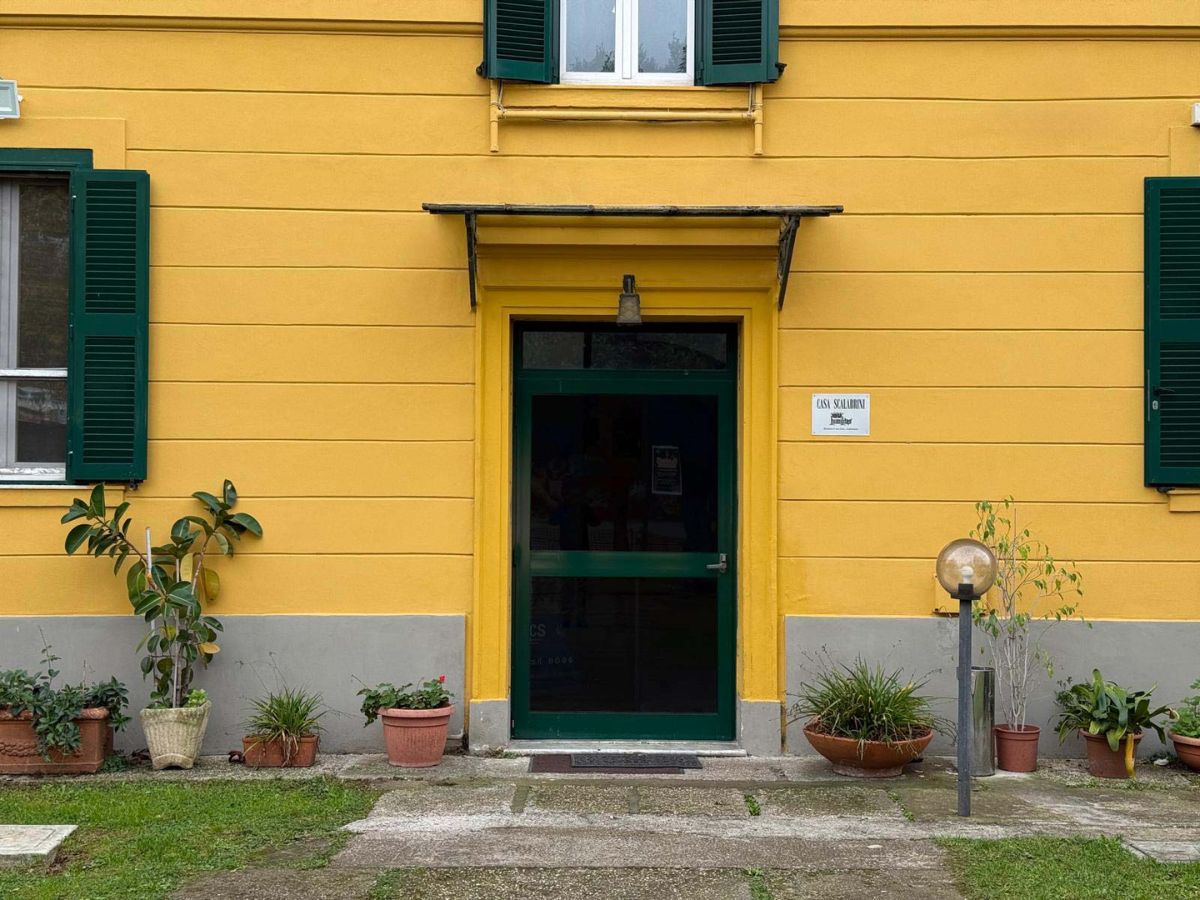
In the heart of Rome, in the multi-ethnic neighborhood of Torpignattara, Casa Scalabrini 634 has for ten years represented a point of reference for young migrants who, having completed their period of reception in the ministerial centers, find themselves having to make the most delicate transition: that towards real autonomy. It is a complex moment, in which many risk falling into situations of housing, work and social vulnerability.
Arrival at Casa Scalabrini 634 often comes after long journeys marked by exploitation, bureaucratic waiting and asylum claims that can last months or years. They are mostly young single men, but there is no shortage of families as well.
In Italy, reception policies for those who have already obtained a form of protection are fragmented and often insufficient. Once the period in institutional centers is over, many find themselves without a network capable of supporting their integration journey. The lack of accessible housing, the precariousness of available jobs and the scarcity of community places make this transition particularly risky.
It is at this stage that Casa Scalabrini 634 intervenes: offering a place in which to lay the foundations for their future. The facility houses 30 young adults and two families in semi-autonomy, accompanying them in the construction of real economic, work, housing and relational independence. Here each person is seen in his or her totality: not as a “case” or number, but as an individual with a history, a potential and a future to rebuild.
What ASCS does at Scalabrini House 634
Since 2015, Casa Scalabrini 634 has been a point of reference for welcoming and integration in Rome. In recent years the House has welcomed more than 400 young people and families in paths of semi-autonomy, offering not only a safe place to live, but also an environment capable of supporting the construction of a new beginning.
Alongside housing, ASCS carries out a wide range of activities that make the House a true community of encounter and growth. These include the Wasi project, which offers psychological support to migrant women, a protected space where they can process complex experiences, build resilience and strengthen their autonomy.
The House also hosts training courses, soft skills development paths, intercultural workshops and educational outreach activities aimed at youth and adults. There is no shortage of social gatherings, cultural events, community festivals and initiatives open to the local area that allow residents, volunteers and neighbors to get to know each other and build bonds.
Casa Scalabrini 634 is thus much more than a shelter: it is a place where accompanied people can find tools, relationships and opportunities to imagine a new future with dignity and hope.